Kitchen Hood Fire Suppression System Repair in NJ
New Jersey licensed, serving New Jersey and Pennsylvania · NJ DFS Permit P01507 · In business since 2016
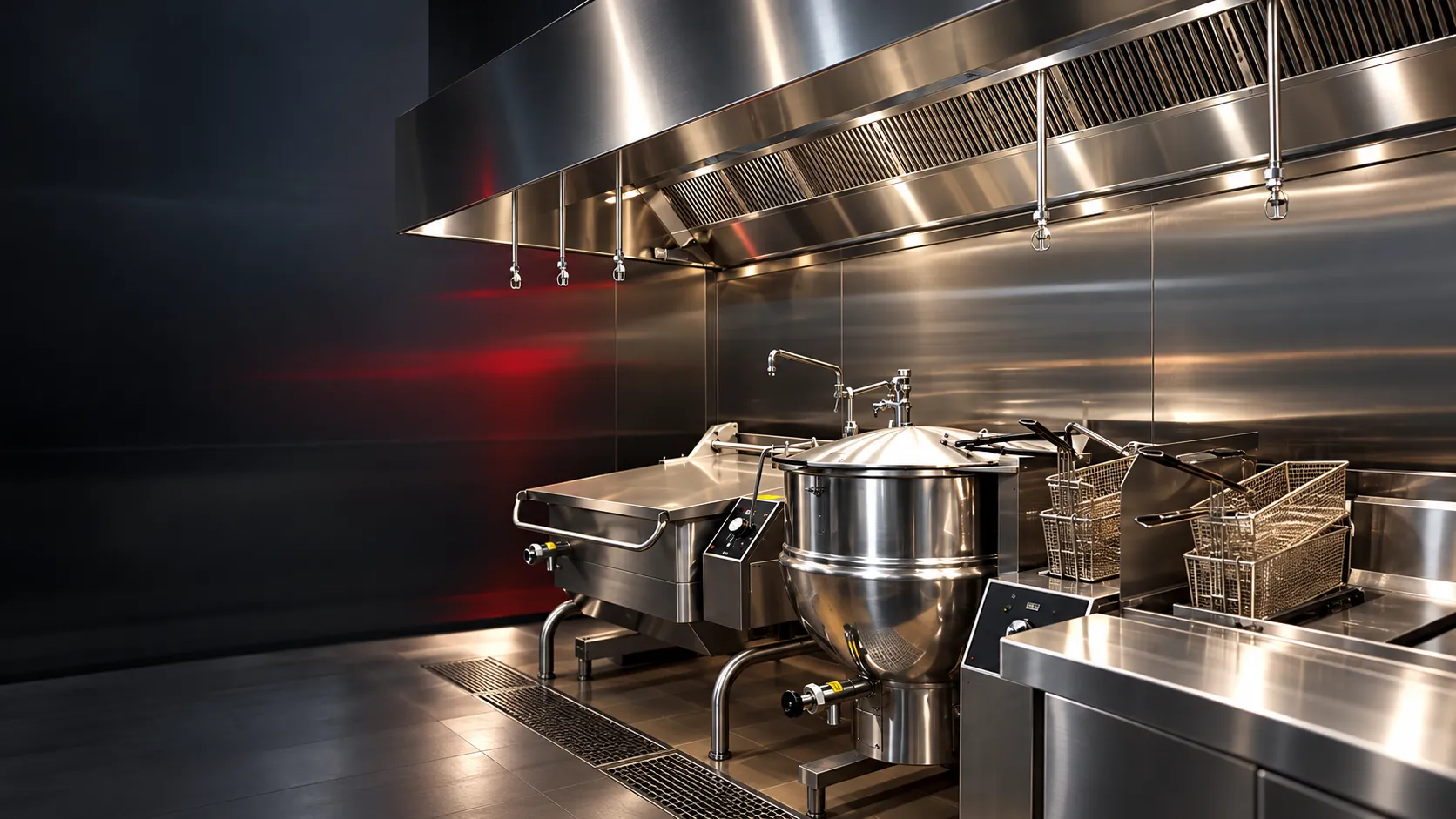
A kitchen hood fire suppression system that has discharged, failed an inspection, or been written up by a fire official has to be put right before the kitchen can count on it again. Atlantic Fire Protection repairs and maintains restaurant kitchen hood wet chemical fire suppression systems for restaurants and other commercial kitchens in New Jersey and Eastern Pennsylvania, whatever brand is on the cabinet. This page covers the repair work. For the routine six-month visit, see kitchen hood suppression inspection, and for the full service, see kitchen fire suppression.
Brands we repair
We repair and maintain wet chemical kitchen suppression systems from all the common manufacturers, including:
- Ansul, including the R-102 and Piranha
- Pyro-Chem
- Range Guard
- Buckeye
- Protex
- Guardian
- Amerex
- Kidde
- Badger
- Denlar
Another make? Tell us what the cabinet or tank label says when you call, or we identify the system on site. Repairs follow the manufacturer’s manual for that system and NFPA 17A.
Recharge after a discharge
Once a system has discharged, in a fire or by accident, it no longer protects the cooking line. Before it is recharged, the system is checked and repaired: the piping and nozzles are cleared, the detection line is reset with new fusible links, blow-off caps are replaced, and any damaged parts are fixed. Then the cylinders are refilled, the system is recharged and re-armed, and it gets a new service tag. A kitchen with a system that is not working may have to stop cooking until it is fixed.
Fusible links and the detection line
The detection line runs above the cooking line and holds the fusible links that let go in a fire and release the system. Links that are greased over, corroded, painted, or past their replacement date are replaced. We also repair the detection cable, its pulleys, and its conduit when the cable is kinked, frayed, or binding, because a cable that cannot move freely may not release the system.
Nozzles and blow-off caps
Nozzles that are clogged with grease, damaged, or knocked out of aim are cleaned, replaced, or re-aimed to the system design. Missing or cracked blow-off caps are replaced so grease cannot plug the nozzle opening. Our post on nozzle position in Ansul systems explains why aim matters.
Cylinders and agent tanks
Agent tanks that are low, damaged, corroded, or past their test date are serviced, refilled, or replaced, and the cartridge or other release components are replaced when the system calls for it. The tank label and your last service report show the dates.
Manual pull stations
The remote manual pull station lets staff release the system by hand. A pull station that is blocked, broken, missing its pin or seal, or connected by a cable that binds is repaired so it works and can be reached.
Gas shut-off valves and electrical shunt interlocks
When the system discharges, it has to shut off fuel and power to the cooking appliances under the hood. On gas appliances that is the gas shut-off valve. On electric appliances it is an electrical shunt or interlock that cuts the power. We repair and reset gas valves that do not close or will not reset, and we fix the interlocks tied into the suppression system. If the work goes beyond the suppression system tie-in, a licensed plumber or electrician may be needed, and we will tell you.
Fixing inspection deficiencies and red tags
A failed inspection, or a red tag from your fire marshal or fire official, means the system has deficiencies that have to be fixed before it can be tagged as working. Send us the inspection report or the violation notice. We work through the listed items, make the repairs, and tag the system when it passes. Common items are low pressure, a clogged or capped-over nozzle, a worn or painted link, a blocked pull station, a gas valve that does not close, and a tank past its test date. Do not wait for the next scheduled inspection to deal with them.
Relocating or modifying a system when appliances change
Adding, removing, or moving a fryer, range, griddle, or charbroiler can leave an appliance without the right nozzle coverage. We review the existing design against the new cooking line, then relocate nozzles, change piping, and modify the system to fit, within the manufacturer’s design limits. When the change is more than the existing system can cover, it may need a larger system or a replacement; see kitchen hood suppression installation. Call before the equipment moves, not after.
What is not part of this work
This page is about the suppression system. We do not clean hoods or ducts, and we do not repair the metal hood itself. If you need a new or replacement hood, see commercial kitchen hoods.
Standards and New Jersey licensing
Kitchen suppression systems are serviced to the manufacturer’s design and manual and to NFPA 17A, alongside NFPA 96 for the cooking operation. Atlantic Fire Protection is New Jersey licensed, and our NJ Division of Fire Safety permit number is P01507. When you hire anyone to work on a kitchen suppression system, ask to see their credentials before they start.
What to have ready
- The business name, address, and a main contact.
- The brand on the cabinet or tank, if you can see it.
- What happened: a discharge, a failed inspection, a red tag, or a change to the cooking line.
- Your last service report or tag, and any violation notice from your fire official or insurer.
- Photos of the cabinet, the pull station, and the cooking line, if you can take them.
Scheduling a repair
We come to the kitchen. We serve all of New Jersey and six Eastern Pennsylvania counties (Bucks, Montgomery, Delaware, Chester, Northampton, and Lehigh), excluding Philadelphia. Call to confirm your address. Our office is at 1745 US 9, Unit 9, Toms River, NJ 08755. The kitchen extinguishers, including Class K, are serviced separately; see fire extinguishers. Our posts on what can lead to suppression system failure and inspecting kitchen fire suppression systems cover what to watch for between visits.
Service areas: We serve all of New Jersey and Eastern Pennsylvania, excluding Philadelphia. See all Service Areas, or go to Toms River, NJ, Ocean County, NJ, Monmouth County, NJ, Atlantic City, NJ, Newark, NJ, Jersey City & Hoboken, NJ, Bergen County, NJ, Middlesex County, NJ, Camden County, NJ, Burlington County, NJ, Passaic County, NJ, Morris County, NJ, Cape May County, NJ, Union County, NJ, Mercer County, NJ, Cumberland County, NJ, Freehold, NJ, Cherry Hill, NJ, Bucks County, PA, Lehigh Valley, PA.
Frequently asked questions
Do you repair suppression systems from any manufacturer?
Yes. We repair Ansul (including the R-102 and Piranha), Pyro-Chem, Range Guard, Buckeye, Protex, Guardian, Amerex, Kidde, Badger, and other brands. If you are not sure of the brand, we identify it on site.
What has to happen after a suppression system discharges?
The system is checked and repaired, the fusible links and blow-off caps are replaced, and the cylinders are refilled before the system is recharged and tagged. Until then, it does not protect the cooking line.
Can you fix the items on a failed inspection or a fire marshal’s red tag?
Yes. Send us the report or the notice. We repair the deficiencies it lists and tag the system when it passes.
Do you repair gas shut-off valves and electrical shunts?
Yes, where they are tied into the suppression system. The gas valve and the electrical shunt or interlock have to shut off fuel and power to the appliances under the hood when the system discharges.
We are moving our cooking equipment. Does the system need to change?
It needs to be reviewed. Nozzles may have to be moved or added, and some changes need a system modification or a design update. Call before the equipment moves.
Do you clean or fix the hood itself?
No. We work on the suppression system. We do not clean hoods or ducts, and we do not repair the metal hood.
Who can repair a kitchen suppression system in New Jersey?
A servicing firm with the required New Jersey credentials. Atlantic Fire Protection is New Jersey licensed, and our NJ Division of Fire Safety permit number is P01507.
Call Atlantic Fire Protection
Call New Jersey at (732) 443-0608 or Eastern Pennsylvania at (484) 214-1800. Office hours are Monday to Friday, 8am to 5pm. Our office is at 1745 US 9, Unit 9, Toms River, NJ 08755. We have been in business since 2016.