Kitchen Hood Fire Suppression System Installation in NJ
New Jersey licensed, serving New Jersey and Pennsylvania · NJ DFS Permit P01507 · In business since 2016
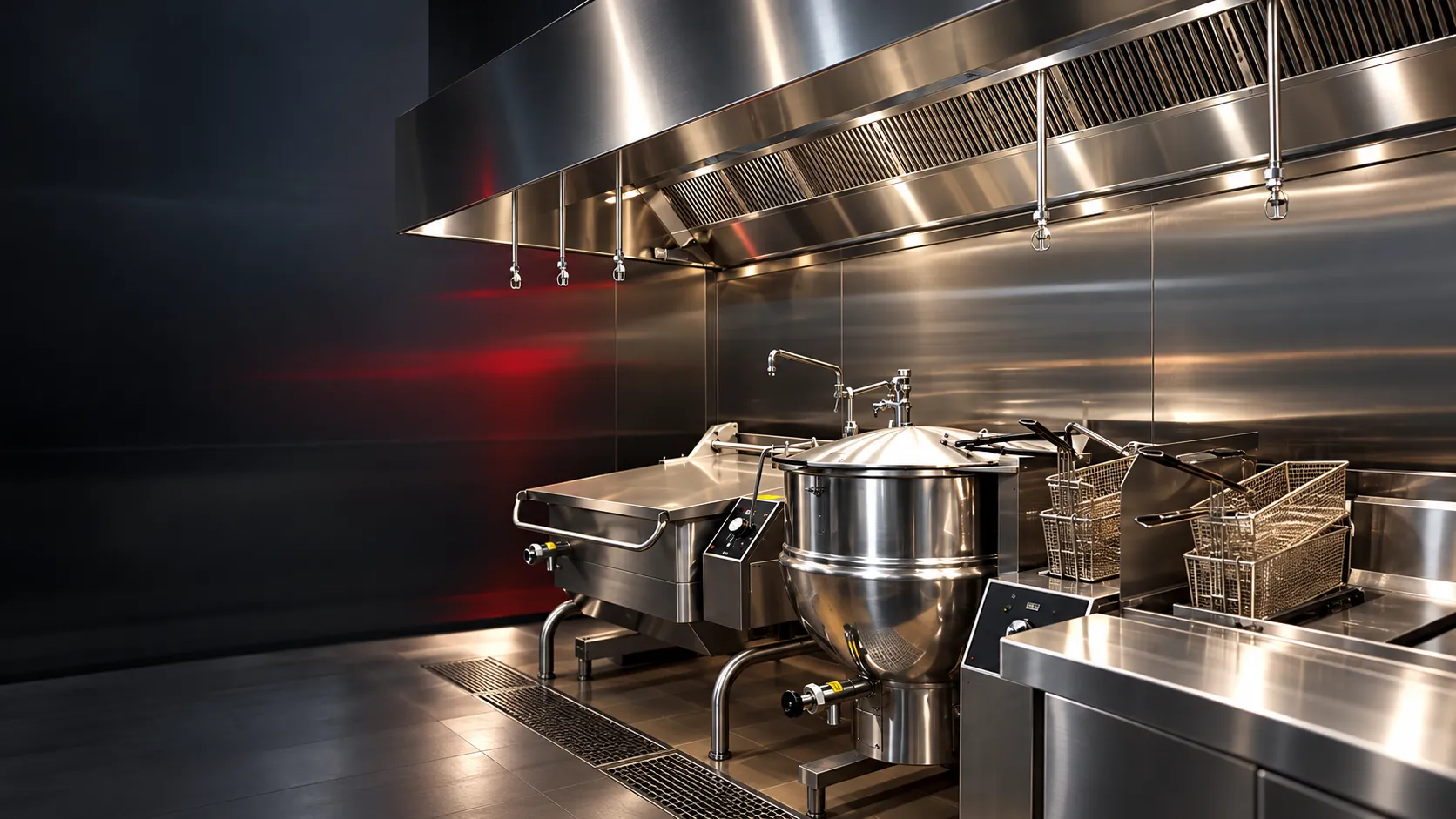
If your kitchen cooks with grease, it needs a fixed fire suppression system over the cooking line, and that system has to be designed for the equipment under it. Atlantic Fire Protection installs kitchen hood fire suppression systems in New Jersey, for kitchens that have none, kitchens that need a system replaced, and kitchens still running an older system. This page explains when you need an installation and what it involves. Inspection of an installed system is on our kitchen hood suppression inspection page, and the overview is on kitchen fire suppression.
Who needs a new kitchen hood suppression system
- New commercial kitchens with no hood system: new restaurants, corporate cafeterias and kitchens, hotels, catering halls, and similar food-service spaces.
- Kitchens replacing a system: the existing system is damaged, worn out, or no longer fits the kitchen.
- Kitchens with an older, pre-UL 300 system: the original system predates the UL 300 standard for wet chemical systems and needs to be upgraded.
Commercial cooking equipment normally needs one
Commercial cooking equipment that produces grease-laden vapors, such as fryers, griddles, and ranges, is normally required to have a fixed fire suppression system under the hood. Your local fire official makes the final call, and we can help you work out what your kitchen needs.
What the installation includes
The system is designed around your cooking line, so we start with what is under the hood: the appliances, how they are arranged, and the hood, plenum, and duct above them. The installation then covers:
- The agent tank or tanks, sized and mounted for the system.
- Piping run to each nozzle.
- Nozzles aimed at the appliances, the plenum, and the duct, with blow-off caps.
- The detection line and fusible links.
- A remote manual pull station that staff can reach.
- Shutoffs for appliance fuel and power, tied in as the system design requires.
When the work is done the system is tagged, and from then on it is inspected every six months.
Replacing a system
A system that has discharged, been damaged, or been allowed to lapse may be better replaced than repaired. If you have switched to different cooking equipment, the old layout may no longer match what is under the hood. We look at the existing system and tell you whether repair or replacement makes sense.
Upgrading an older pre-UL 300 system
Many older kitchen systems use dry chemical agent and were designed before UL 300, the test standard for wet chemical restaurant systems. They can be hard to get parts for, and they were not designed for today's high-efficiency fryers and grease-heavy cooking. An upgrade replaces the older system with a UL 300 wet chemical system built for your current hood and appliances. Our post on three reasons to upgrade a pre-UL kitchen suppression system goes into it.
Standards and New Jersey licensing
Kitchen suppression systems are installed to the manufacturer's design and listing and to NFPA 17A, alongside NFPA 96 for the hood and duct. Atlantic Fire Protection is New Jersey licensed, and our NJ Division of Fire Safety permit number is P01507. Installers in New Jersey are required to hold the appropriate certifications, so ask any contractor to show theirs. Your local fire official may want to see or sign off on the system, and we can tell you what to expect for your town.
What about the hood?
The suppression system and the hood are separate jobs. If you also need a new or replacement hood, see commercial kitchen hoods. If the hood is already in place, we install the suppression system under it.
How to prepare your kitchen
Having the layout, the equipment list, and the utilities ready keeps the job on schedule. Our guide to preparing your kitchen for a fire suppression system installation covers it step by step. See also why an experienced installer matters and what an Ansul system is.
What to send for a quote
- The business name and job address, including the town.
- Whether it is a new kitchen, a replacement, or an upgrade of an older system.
- The cooking equipment under the hood, with sizes if you have them.
- The length of the hood and the cooking line.
- The brand and age of the current system, if there is one.
- Photos of the hood and the cooking line, and any plans you have.
- When you need the system in place.
Do not have everything yet? Send what you have and we will follow up.
Scheduling an installation in New Jersey
Call us or send the details above and we will follow up. Our office is at 1745 US 9, Unit 9, Toms River, NJ 08755.
Service areas: We work throughout New Jersey. See all Service Areas, or go to Toms River, NJ, Ocean County, NJ, Monmouth County, NJ, Freehold, NJ, Cherry Hill, NJ.
Frequently asked questions
Does a new restaurant kitchen need a fire suppression system?
Generally yes. Commercial cooking equipment that produces grease-laden vapors is normally required to have a fixed suppression system under the hood. Your local fire official makes the final call.
Can you install a suppression system in a kitchen with no existing system?
Yes. We install new systems in new commercial kitchens, such as restaurants, corporate cafeterias, hotels, and catering halls.
What is a pre-UL 300 system, and do I need to upgrade it?
It is an older system designed before the UL 300 standard for wet chemical restaurant systems. If yours is that old, have a technician look at it. An upgrade puts a system in that is built for your current hood and appliances.
Do you replace an existing suppression system?
Yes. We look at the existing system and tell you whether repair or replacement makes sense.
Do you install the hood too?
Hood installation is a separate job that we also do. See our commercial kitchen hoods page. If a hood is already in place, we install the suppression system under it.
How often is the system inspected after installation?
Every six months. See our kitchen hood suppression inspection page.
Who can install a kitchen suppression system in New Jersey?
Installers are required to hold the appropriate New Jersey certifications. Atlantic Fire Protection is New Jersey licensed, and our NJ Division of Fire Safety permit number is P01507.
Call Atlantic Fire Protection
Call (732) 443-0608. Office hours are Monday to Friday, 8am to 5pm. Our office is at 1745 US 9, Unit 9, Toms River, NJ 08755. We have been in business since 2016.