Kitchen Hood Suppression System Inspection in NJ
New Jersey licensed, serving New Jersey and Pennsylvania · NJ DFS Permit P01507 · In business since 2016
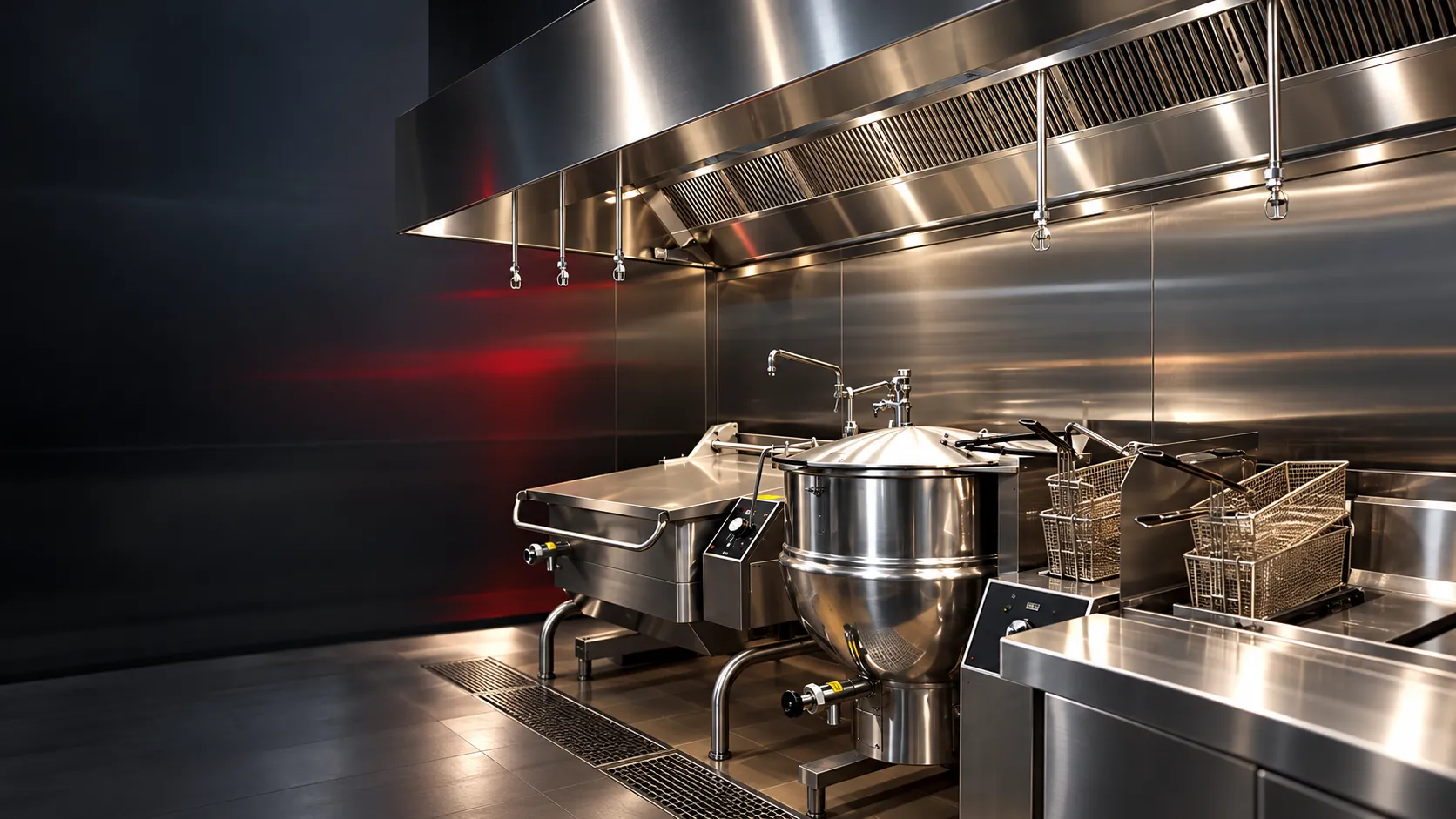
A restaurant kitchen hood suppression system sits over the cooking line for years, and the day it is needed is the day you find out whether anyone looked after it. This page covers the inspection itself: how often it is due, what the technician checks, and what you get when it is done. Atlantic Fire Protection inspects kitchen hood suppression systems for restaurants and other commercial kitchens in New Jersey. For the full service, see kitchen fire suppression.
How often a kitchen hood suppression system is inspected
Every six months. NFPA 17A and NFPA 96 call for semi-annual inspection and maintenance of commercial kitchen suppression systems, and manufacturers such as Ansul write the same twice-a-year schedule into their owner's guides. A single visit each year does not meet it. The tag on the system shows the date of the last inspection, and that is the first thing a fire official looks at. Your local fire official can add requirements, so check with them if you are unsure.
What we check at each inspection
The inspection covers the suppression system itself. On each visit we look at:
- Nozzles over the appliances, in the plenum, and in the duct: condition, aim, and blow-off caps.
- The detection line and fusible links.
- The release and actuation components, and whether they work and can be reached.
- The remote manual pull station.
- The agent tank or tanks, including pressure and condition, and the dates of the last cylinder tests.
- Piping and fittings.
- Gas and electrical shutoffs that are tied into the system.
Fusible link replacement
Fusible links are the heat-sensitive parts on the detection line that let go and release the system in a fire. They get dirty, corroded, and covered with grease, so they are replaced on the schedule the manufacturer's manual and NFPA 17A set. We replace them during the inspection visit and note it on the report.
Nozzle checks and blow-off caps
Each nozzle has to be aimed at the appliance it protects. Blow-off caps keep grease and debris out of the nozzle opening and are meant to pop off when the system discharges. A missing, cracked, or greased-over cap, or a nozzle that has been bumped out of position, gets corrected. Moving fryers or ranges changes what the nozzles cover, so see below if the cooking line has changed. Our post on nozzle position in Ansul systems explains why aim matters.
Inspection tags and reports
A system that passes gets a new service tag with the date. You should also receive a written report that records the work done, the tag location, and anything that needs attention. Keep these on file. Fire officials and insurers ask for them, and a missing or out-of-date tag is treated as an uninspected system. Our inspection guide for kitchen fire suppression systems goes through the same checks, including the monthly check your staff can do.
Brands we inspect
We inspect and service kitchen hood suppression systems by:
- Ansul, including the R-102
- Range Guard
- Pyro-Chem
- Buckeye
- Guardian
- Denlar
- Protex
- Badger
Not sure which you have? The name is usually on the cabinet or the tank label. Tell us when you call, or we identify the system on site.
If a problem turns up
Common findings are low pressure, a clogged or capped-over nozzle, a worn or painted link, a blocked pull station, or a tank past its test date. Repairs are done on the system. If the system has discharged or been damaged, it has to be repaired before the cylinders are refilled and the system is recharged. A kitchen with a system that is not working may have to stop cooking until it is fixed, so do not wait for the next visit.
If the cooking line has changed
Adding, removing, or moving a fryer, range, or griddle can leave an appliance without the right nozzle coverage. Call before the change so we can review whether the existing design still fits. Moving a nozzle is not always enough. Some changes need a design update.
What is not part of this inspection
The inspection is for the suppression system. Cleaning the hood and duct is a separate service that we do not provide.
New Jersey licensing
Atlantic Fire Protection is New Jersey licensed. Our NJ Division of Fire Safety permit number is P01507. When you hire anyone to service a kitchen suppression system, ask to see their credentials before they start.
What to have ready
- The business name, address, and a main contact.
- The brand on the cabinet, if you can see it.
- Your last service report or tag, so we can see when the six-month and cylinder test dates fall.
- Any violation notice or write-up from your fire official or insurer.
- Access to the cooking line and the pull station at the time of the visit.
Scheduling an inspection in New Jersey
We come to the kitchen. Our office is at 1745 US 9, Unit 9, Toms River, NJ 08755. If you need a new system instead, see kitchen hood suppression installation. The kitchen extinguishers are serviced separately, on the fire extinguisher inspection schedule.
Service areas: We work throughout New Jersey. See all Service Areas, or go to Toms River, NJ, Ocean County, NJ, Monmouth County, NJ, Freehold, NJ, Cherry Hill, NJ.
Frequently asked questions
How often does a restaurant kitchen hood suppression system need to be inspected?
Every six months. NFPA 17A and NFPA 96 call for semi-annual inspection and maintenance, and the service tag shows the date of the last one.
Is one inspection a year enough?
No. The standards and manufacturers such as Ansul call for service twice a year. An annual visit alone does not meet it.
Which suppression system brands do you inspect?
Ansul, Range Guard, Pyro-Chem, Buckeye, Guardian, Denlar, Protex, and Badger. If you are not sure of the brand, tell us when you call or we identify it on site.
Do you replace the fusible links?
Yes. We replace fusible links during the inspection on the schedule the manufacturer's manual and NFPA 17A set.
What happens if the system fails the inspection?
We repair it. If the system has discharged or been damaged, it is repaired before the cylinders are refilled and the system is recharged.
Who can inspect a kitchen suppression system in New Jersey?
A servicing firm with the required New Jersey credentials. Atlantic Fire Protection is New Jersey licensed, and our NJ Division of Fire Safety permit number is P01507.
Is hood and duct cleaning part of the inspection?
No. The inspection covers the suppression system only. Cleaning is a separate service that we do not provide.
Call Atlantic Fire Protection
Call (732) 443-0608. Office hours are Monday to Friday, 8am to 5pm. Our office is at 1745 US 9, Unit 9, Toms River, NJ 08755. We have been in business since 2016.