Everything You Need for Commercial Kitchen Fire Safety
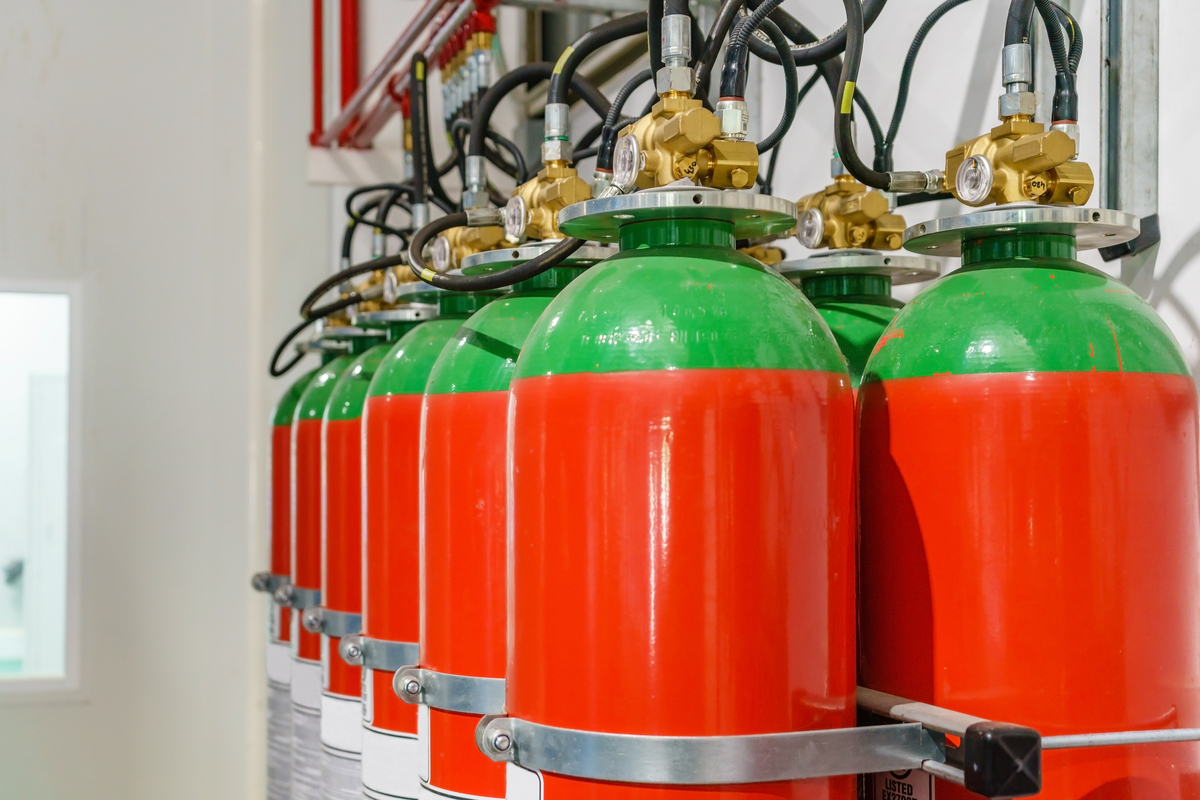
Commercial fire safety is not like fire safety at home. It’s just not that simple. Modern restaurants want to have competitive systems in place, for safety and potential insurance savings, and to show they are ready for an emergency.
Commercial kitchen fire safety isn’t just having a fire extinguisher on hand. It goes far beyond that. Here are some of the systems that we help our commercial customers put in to stay proactive and vigilant about fire safety in the kitchen.
Ansul Systems and Wet Chemical Fire Suppression Systems
The ANSUL R-102 restaurant system uses ANSULEX low-pH liquid agent, a wet chemical that knocks down flames, cools hot surfaces and forms a vapor-securing blanket to help prevent re-flash (UL 300 listed). In a typical system, detection in the hood and duct (such as fusible links or heat detectors) triggers the discharge, and the system shuts off fuel or power to the protected appliances.
Modern Kitchen Hoods
Having a fire suppression system built into the commercial kitchen hood area is a powerful way to guard against fires and related accidents. Atlantic installs new and replacement commercial kitchen hoods and fabricates stainless steel hoods, and installs kitchen suppression systems to help keep fire emergencies from destroying property and threatening the safety of workers or others who are inside the building. Proactive and early help from competitive systems can save a lot of money and stop a fire before it starts to wreak havoc on a building footprint, or destroy tools and materials in a commercial kitchen.
Hydrostatic Testing
The agent cylinders or tanks on wet chemical systems are hydrostatically tested at intervals set by the manufacturer and NFPA 17A; for the ANSUL R-102, the agent tank is hydrostatically tested at the 12-year maintenance. Semiannual inspection and maintenance are the routine service that keeps a system ready. When hydrostatic testing comes due, we can arrange it as part of suppression system maintenance.
Exits and Emergency Lighting
We also provide exit signs and emergency lighting for commercial kitchens, and we inspect and test, repair and replace them. This is a different aspect of fire safety – clearly marked, lit exits also help save lives.
Why Commercial Kitchens Need More Than an Extinguisher
According to the National Fire Protection Association (NFPA), U.S. fire departments responded to an estimated average of 7,410 structure fires per year in eating and drinking establishments between 2010 and 2014 (NFPA, Structure Fires in Eating and Drinking Establishments). Most of them started in the kitchen, and cooking equipment and mechanical or electrical failures were leading causes.
Fire Extinguishers
Keep portable extinguishers within reach as a backup, and use the right type: commercial kitchens are usually equipped with Class K extinguishers, which use an agent designed for cooking oils and fats. Make sure staff are trained to use them, because an extinguisher nobody knows how to operate is useless in a fire. See our guides to extinguisher placement and inspection.
Staff Training and Emergency Roles
- Train for action, not just rules: Staff should be able to follow fire protocol and operate fire safety equipment, not just recite the rules.
- Assign emergency roles: For example, front-of-house staff handle getting guests out, kitchen staff use extinguishers, and someone is responsible for calling the fire department.
- Practice regularly: Run drills often enough that people can perform their roles on autopilot.
Everyday Prevention Habits
- Maintain cooking and electrical equipment: Have damaged or malfunctioning appliances repaired by professionals right away, and inspect electrical equipment and cables regularly.
- Control grease: Grease accumulation is a major fuel source. Build a daily grease cleanup into the routine, and keep fryers away from open-flame cooking equipment.
- Store trash and combustibles safely: Keep linens, paper, and cardboard away from heat, and remove trash promptly.
- Designate a smoking area away from the kitchen.
- Change the system when the kitchen changes: New or relocated appliances may fall outside your suppression system’s coverage. See fire safety mistakes to avoid in a commercial kitchen.
Take a look at everything that we do at Atlantic Fire Protection for today’s commercial kitchens and how to guard against risk in the restaurant business. We are a trusted consultant in and around New Jersey and Eastern Pennsylvania – we want to hear from you about what you need to excel in your business.